The Ultimate Guide To Plant Pairing
The Ultimate Guide to Plant Pairing
Introduction
Companion planting is a gardening practice that involves planting certain types of plants together to benefit each other. This can be done for a variety of reasons, such as to deter pests, attract pollinators, improve soil quality, or simply to create a more visually appealing garden.
There are many different ways to approach companion planting, and there is no one-size-fits-all solution. The best way to find out which plants work well together is to experiment and see what works best in your own garden.
In this guide, we will discuss the basics of companion planting, as well as some of the most popular plant pairings. We will also provide some tips on how to get started with companion planting in your own garden.
Benefits of Companion Planting
There are many benefits to companion planting, including:
- Deterrent to pests: Many plants have natural pest-repelling properties. For example, marigolds can help to deter aphids, while nasturtiums can help to deter cabbage moths.
- Attraction of pollinators: Some plants attract pollinators, such as bees and butterflies. These pollinators are essential for plant reproduction, so attracting them to your garden can help to increase your yields.
- Improvement of soil quality: Some plants, such as legumes, can fix nitrogen in the soil. This can help to improve the fertility of your soil and make it easier for other plants to grow.
- Visual appeal: Companion planting can also be used to create a more visually appealing garden. By planting different types of plants together, you can create a more interesting and diverse landscape.
How to Choose Companion Plants
When choosing companion plants, there are a few things to keep in mind:
- Planting habits: Some plants have different planting habits, such as whether they are annuals or perennials, or whether they are tall or short. It is important to choose plants that will complement each other's planting habits.
- Sunlight requirements: Some plants need full sun, while others prefer partial shade. It is important to choose plants that have similar sunlight requirements.
- Soil requirements: Some plants prefer sandy soil, while others prefer clay soil. It is important to choose plants that have similar soil requirements.
- Pest and disease resistance: Some plants are more resistant to pests and diseases than others. It is important to choose plants that are resistant to the pests and diseases that are common in your area.
Popular Plant Pairings
Here are some of the most popular plant pairings:
- Marigolds and tomatoes: Marigolds can help to deter aphids, which are a common pest of tomatoes.
- Nasturtiums and cabbage: Nasturtiums can help to deter cabbage moths, which are a common pest of cabbage.
- Beans and corn: Beans fix nitrogen in the soil, which can help to improve the fertility of the soil for corn.
- Lettuce and carrots: Lettuce shades the roots of carrots, which helps to prevent them from bolting.
- Herbs and vegetables: Many herbs can help to deter pests and attract pollinators, which can benefit nearby vegetables.
Getting Started with Companion Planting
If you are new to companion planting, it is a good idea to start small. Choose a few plants that you know work well together and plant them in your garden. As you gain more experience, you can experiment with different plant pairings.
Here are some tips for getting started with companion planting:
- Do your research: Before you start planting, do some research on companion planting. There are many resources available online and in libraries.
- Start small: As mentioned above, it is a good idea to start small when you are first getting started with companion planting. Choose a few plants that you know work well together and plant them in your garden.
- Be patient: It takes time to see the benefits of companion planting. Don't be discouraged if you don't see results immediately.
Conclusion
Companion planting is a great way to improve the health and productivity of your garden. By planting certain types of plants together, you can deter pests, attract pollinators, improve soil quality, and create a more visually appealing garden.
If you are new to companion planting, don't be afraid to experiment. There are many different plant pairings that can work well together. The best way to find out what works best in your own garden is to try different things and see what you like.
Are you looking for a way to add some visual interest and harmony to your garden? If so, you may want to consider plant pairing. Plant pairing is the art of choosing plants that complement each other in terms of color, texture, and size. When done correctly, plant pairing can create a stunning and eye-catching display.
If you're not sure where to start, I recommend visiting Gardenia Inspiration. This website has a wealth of information on plant pairing, including tips on choosing the right plants, creating a cohesive design, and maintaining your plants.
FAQ of plant pairing
Question 1: What are the factors to consider when pairing plants?
Answer: There are many factors to consider when pairing plants, including:
- Light requirements: Some plants need full sun, while others prefer partial shade or even full shade. It's important to match plants with similar light requirements so that they all thrive.
- Watering needs: Some plants need to be watered frequently, while others can go longer between waterings. It's important to match plants with similar watering needs so that you don't overwater or underwater any of them.
- Soil type: Some plants prefer sandy soil, while others prefer loamy soil or even clay soil. It's important to match plants with similar soil types so that they can get the nutrients they need.
- Growth rate: Some plants grow quickly, while others grow slowly. It's important to match plants with similar growth rates so that they don't outgrow their space or crowd each other out.
- Foliage color: If you're looking for a visually appealing pairing, you can consider matching plants with different foliage colors. For example, you could pair a dark green plant with a light green plant, or a variegated plant with a solid-colored plant.
Question 2: How do I know if two plants will get along?
Answer: There are a few things you can look for to determine if two plants will get along:
- Plant families: Some plant families are more compatible with each other than others. For example, succulents and cacti are often paired together because they have similar water needs.
- Toxicity: If you have pets or children, it's important to be aware of which plants are toxic. You can find a list of toxic plants online or at your local nursery.
- Diseases and pests: Some plants are more susceptible to certain diseases and pests than others. If you're concerned about this, you can talk to a nursery professional about which plants are compatible.
Question 3: What are some good plant pairings for beginners?
Answer: Here are a few good plant pairings for beginners:
- Spider plant and pothos: These two plants are both easy to care for and can tolerate a variety of conditions. They're also both relatively inexpensive, so they're a good option for budget-minded plant lovers.
- ZZ plant and snake plant: These two plants are also very low-maintenance and can thrive in low-light conditions. They're both a good choice for people who don't have a lot of time to care for their plants.
- Peace lily and philodendron: These two plants are both known for their beautiful foliage. They're also both relatively easy to care for, making them a good choice for people who want to add some color to their home.
Question 4: Where can I find inspiration for plant pairings?
Answer: There are many places where you can find inspiration for plant pairings. Here are a few ideas:
- Online: There are many websites and blogs that feature plant pairings. You can also find inspiration on social media, such as Instagram and Pinterest.
- Nurseries: Many nurseries have displays of plant pairings. This is a great way to see different plants together and get ideas for your own home.
- Books: There are many books on plant pairings available. These books can provide you with more information about different plants and how to pair them together.
Question 5: What are some common mistakes people make when pairing plants?
Answer: Here are a few common mistakes people make when pairing plants:
- Not considering the plants' needs: It's important to match plants with similar light, water, and soil requirements. If you don't, one or both plants may not thrive.
- Not considering the plants' size: Some plants grow quickly, while others grow slowly. If you don't take this into account, one plant may outgrow the other.
- Not considering the plants' colors: If you're looking for a visually appealing pairing, you should consider the plants' foliage colors. If the colors clash, the pairing will look off.
Image of plant pairing
5 different images of plant pairing from Pinterest:
- A snake plant and a ZZ plant. These two plants are both low-maintenance and drought-tolerant, making them a great pairing for people who don't have a lot of time to care for their plants. They also have similar light and water requirements, so you don't have to worry about one plant getting too much or too little of either.
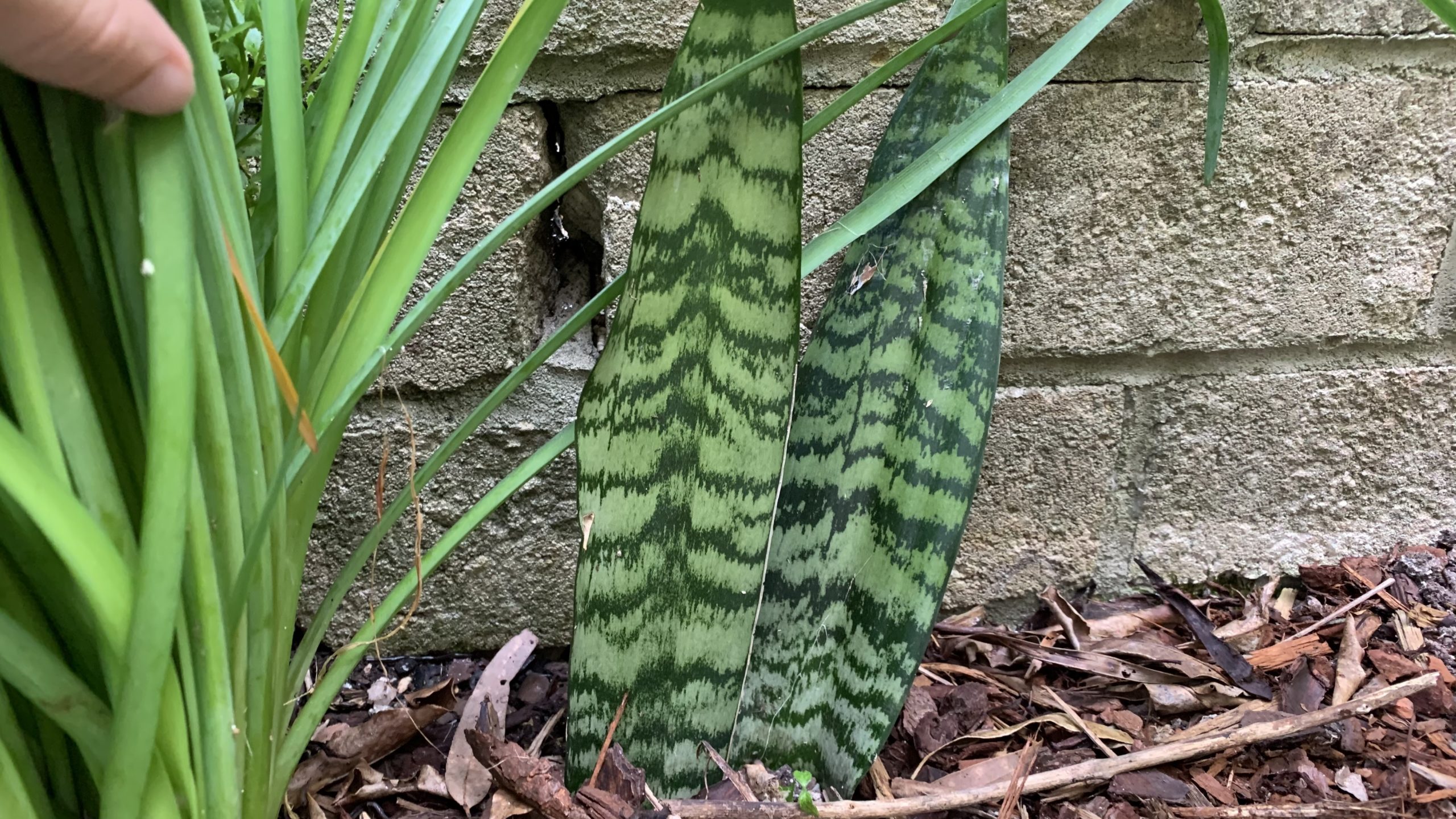
- A philodendron and a pothos. These two plants are both vining plants, so they can be trained to climb up a trellis or pole. They also have similar light and water requirements, so they're a great choice for a hanging basket or a terrarium.

- A spider plant and a peace lily. These two plants are both air-purifying plants, so they're a great way to improve the air quality in your home. They also have similar light and water requirements, so they're a low-maintenance pairing.
- A succulent and a cactus. These two plants are both drought-tolerant, so they're a great choice for people who live in dry climates. They also have similar light requirements, so they can be placed in the same spot.

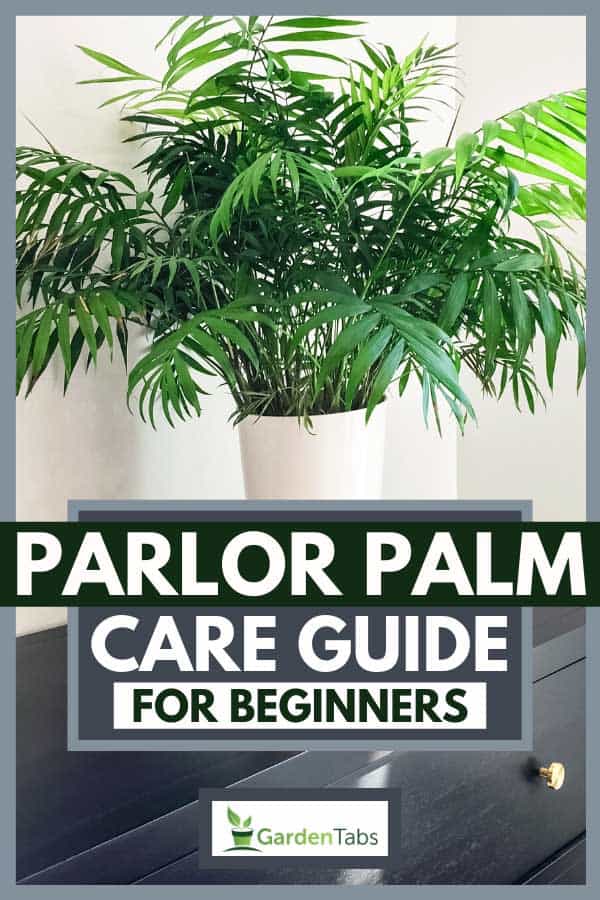
- A fern and a parlor palm. These two plants are both tropical plants, so they'll both appreciate a humid environment. They also have similar light requirements, so they can be placed in the same spot.

Post a Comment for "The Ultimate Guide To Plant Pairing"