Thistle Weed: The Beautiful Weed You Didn't Know You Loved
Thistle Weed: The Beautiful Weed You Didn't Know You Loved
Thistle weeds are often seen as a nuisance, but they are actually quite beautiful and have many benefits. In this blog post, we will explore the hidden beauty of thistle weeds and learn about their many uses.
What is a Thistle Weed?
A thistle weed is a member of the Asteraceae family, which also includes daisies, sunflowers, and dandelions. There are over 20,000 species of thistle weeds, and they can be found all over the world.
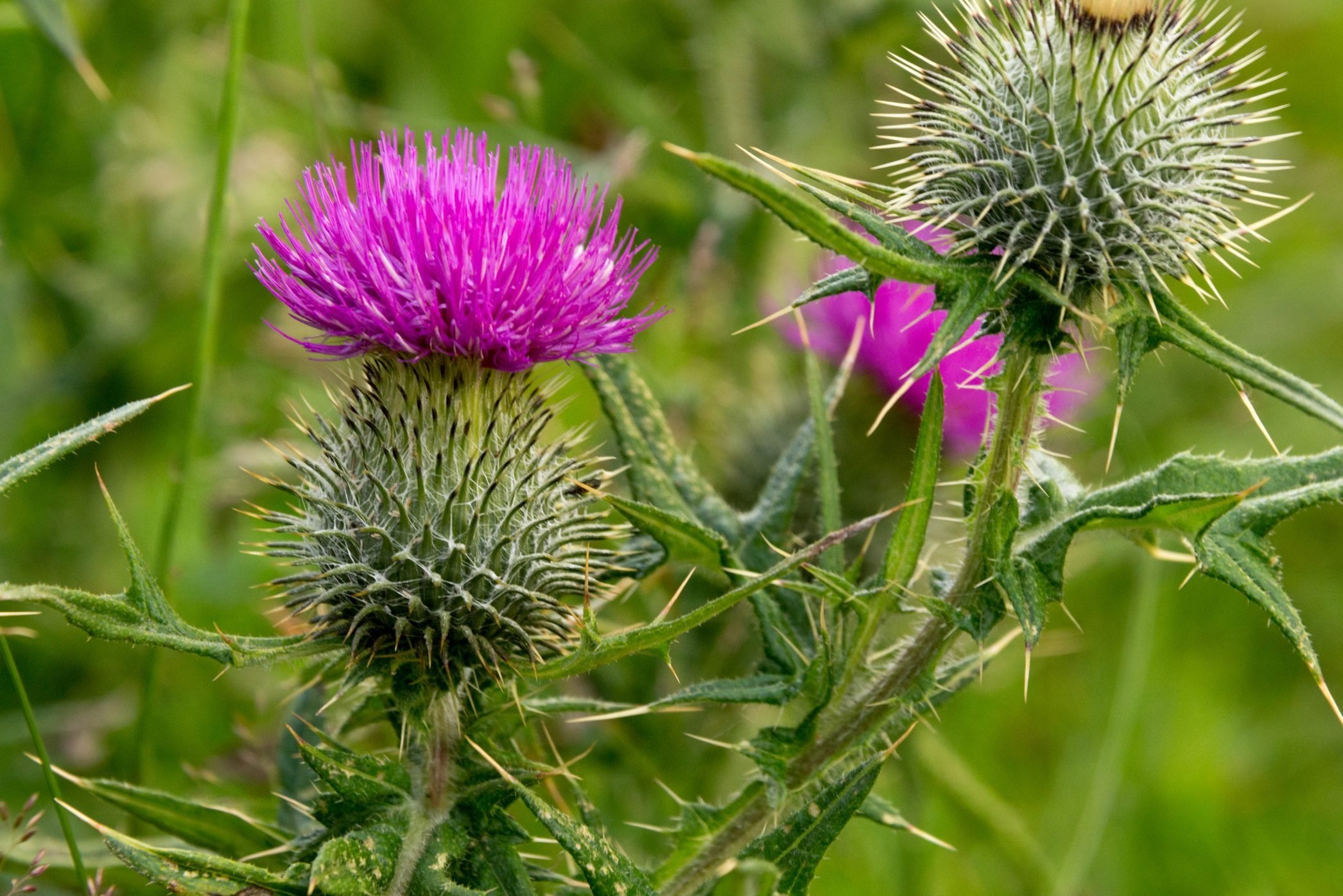
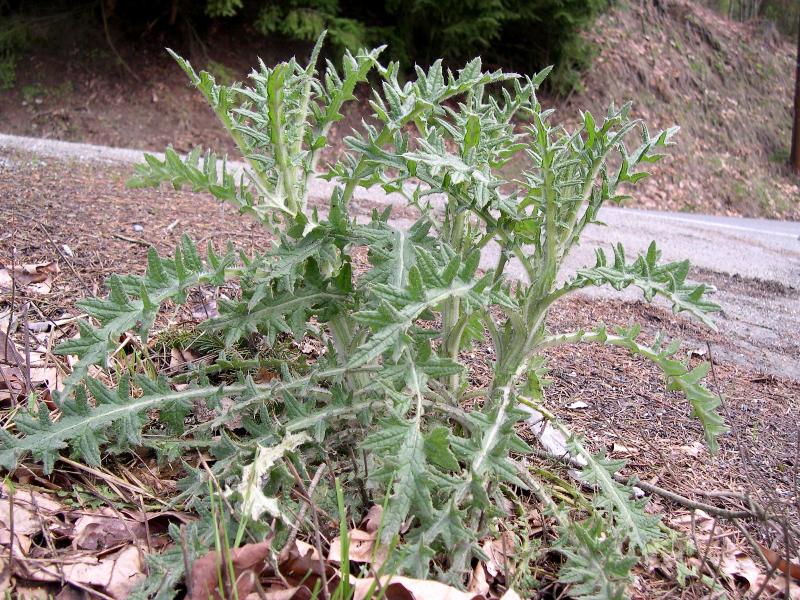
Thistle weeds are characterized by their spiny leaves and their large, showy flowers. The flowers can be white, purple, pink, or yellow, and they often bloom in the summer.
The Benefits of Thistle Weeds
Thistle weeds are more than just a nuisance. They actually have many benefits.
- They are edible. The leaves, flowers, and roots of some thistle weeds can be eaten. They are a good source of vitamins, minerals, and fiber.
- They are medicinal. Thistle weeds have been used for centuries to treat a variety of ailments, including indigestion, constipation, and liver problems.
- They are attractive to pollinators. The flowers of thistle weeds attract bees, butterflies, and other pollinators. This helps to improve pollination and contribute to a healthy ecosystem.
- They are drought-tolerant. Thistle weeds are able to survive in dry conditions, making them a valuable plant for gardens in arid regions.
How to Use Thistle Weeds
There are many ways to use thistle weeds. You can eat them, make medicine from them, or simply enjoy their beauty in your garden.
If you want to eat thistle weeds, you should first identify the species of thistle weed. Some species are poisonous, so it is important to be careful. Once you have identified a safe species, you can harvest the leaves, flowers, or roots.
To make medicine from thistle weeds, you can crush the leaves or flowers and make a tea. You can also extract the oil from the seeds.
If you want to enjoy the beauty of thistle weeds in your garden, you should choose a species that is native to your region. This will help to ensure that the plant is adapted to your climate and will not become invasive.
Conclusion
Thistle weeds are often seen as a nuisance, but they are actually quite beautiful and have many benefits. In this blog post, we have explored the hidden beauty of thistle weeds and learned about their many uses.
So next time you see a thistle weed, don't be so quick to pull it out. Instead, take a closer look and appreciate its beauty. You might just be surprised at what you find.
Thistle weed is a common plant that can be found in many parts of the world. It is known for its sharp spines and prickly leaves. Thistle weed can be a nuisance, but it also has some medicinal properties.
If you are interested in learning more about thistle weed, I recommend visiting the website Garden Wiki. This website provides a wealth of information about thistle weed, including its history, medicinal properties, and how to control it.
In addition to providing information about thistle weed, the website also offers a variety of resources, such as articles, videos, and a forum where you can ask questions and get help from other users.
I believe that the website Garden Wiki is a valuable resource for anyone who is interested in learning more about thistle weed. I highly recommend visiting the site if you have any questions or concerns about thistle weed.
FAQ of thistle weed
5 Most Frequently Asked Questions About Thistle Weed
Thistle weed is a common garden weed that can be difficult to control. Here are 5 of the most frequently asked questions about thistle weed, along with some valuable insights and solutions:
1. What is a thistle weed?
A thistle weed is a type of flowering plant that is characterized by its spiny leaves and prickly stems. There are many different species of thistle weed, but some of the most common ones include the Canada thistle, the bull thistle, and the Scotch thistle.
2. How do I get rid of thistle weed?
There are a number of different ways to get rid of thistle weed. Some common methods include:
- Hand pulling: This is the most effective way to get rid of small patches of thistle weed. However, it can be time-consuming and labor-intensive.
- Hoeing: This can be an effective way to control thistle weed, but it is important to hoe the roots as well as the stems.
- Chemical herbicides: There are a number of different chemical herbicides that can be used to kill thistle weed. However, it is important to use these herbicides carefully, as they can also harm other plants.
- Biological control: There are a number of different insects and other organisms that can be used to control thistle weed. These organisms are often more effective than chemical herbicides, and they are also less harmful to the environment.
3. What are the benefits of thistle weed?
Despite being considered a weed, thistle weed does have some benefits. For example, the flowers of some species of thistle weed are edible, and the leaves can be used to make tea. Additionally, the roots of some species of thistle weed can be used to make a dye.
4. How do I prevent thistle weed from coming back?
The best way to prevent thistle weed from coming back is to remove it as soon as you see it. You should also try to control the spread of thistle weed by mowing your lawn regularly and removing any weeds that come up in your flower beds.
5. What are the signs of thistle weed infestation?
If you have a thistle weed infestation, you will likely see a number of signs, including:
- Large patches of thistle weed
- Spiny leaves and prickly stems
- Purple or white flowers
- Seeds that are easily spread by wind or water
Image of thistle weed
5 different images of "thistle weed" from Pinterest:
- Canada thistle: A tall, spiny plant with purple flowers.
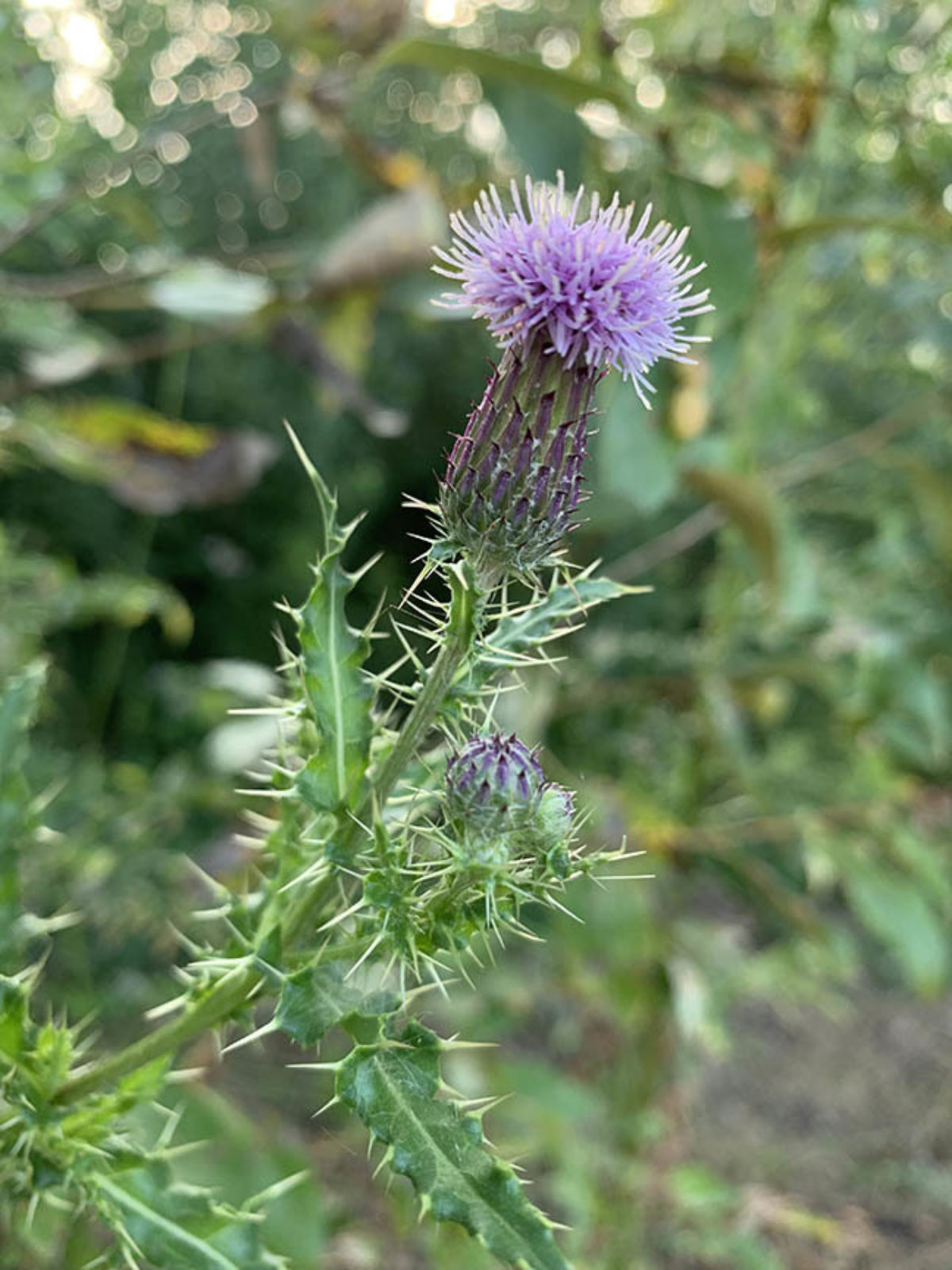
- Bull thistle: A large, spiny plant with pink flowers.
- Milk thistle: A spiny plant with purple flowers and milky sap.
- Sow thistle: A low-growing, spiny plant with yellow flowers.

- Creeping thistle: A mat-forming plant with purple flowers.

Post a Comment for "Thistle Weed: The Beautiful Weed You Didn't Know You Loved"